AHCP Global Projects
The Association of Health Care Professionals (IAHCP) engages in global projects focused on promoting excellence in medical research, education, and patient care across various continents. Key initiatives include establishing sponsored medical centers, educational academies, and conducting international health trainings, often aligning with the United Nations 2030 Agenda SDGs.
Exploring the AHCP Global Projects
The Association of Healthcare Professionals (IAHCP) operates several global projects focused on advancing medical practice, research, and community health services. These projects are often collaborative efforts involving educational institutions and international medical bodies.
Scope of the Projects
- The Global Projects have the following scope:
- Establishment of Sponsored Medical Centres and Community Healthcare Services in various Communities
- Sponsoring the setting of educational learning centres, academies and schools in various communities globally
- Promoting excellence in research and innovations in different territories
- Publications of educational materials for use in enhancing the work of the communities
- Undertaking international duties for the benefits of the different communities
Core Global Project Initiatives
The primary scope of AHCP Global Projects includes:
Community Healthcare Services: Establishing sponsored medical centres and healthcare services in various communities globally.
Educational Learning Centres: Sponsoring and setting up academies, schools, and educational learning centres worldwide to promote excellence in healthcare training.
Research & Innovation: Promoting high-quality research in various territories, particularly focusing on haematology and blood transfusion clinical and scientific projects.
Global Health Programmes: Managing intercontinental projects focused on medical practice in developing countries and addressing global health issues.
Santa Maria College Partnership: A long-term collaborative project (ratified through 2030) that recently expanded to offer educational development services to all developing countries globally.
Regional Focus Areas
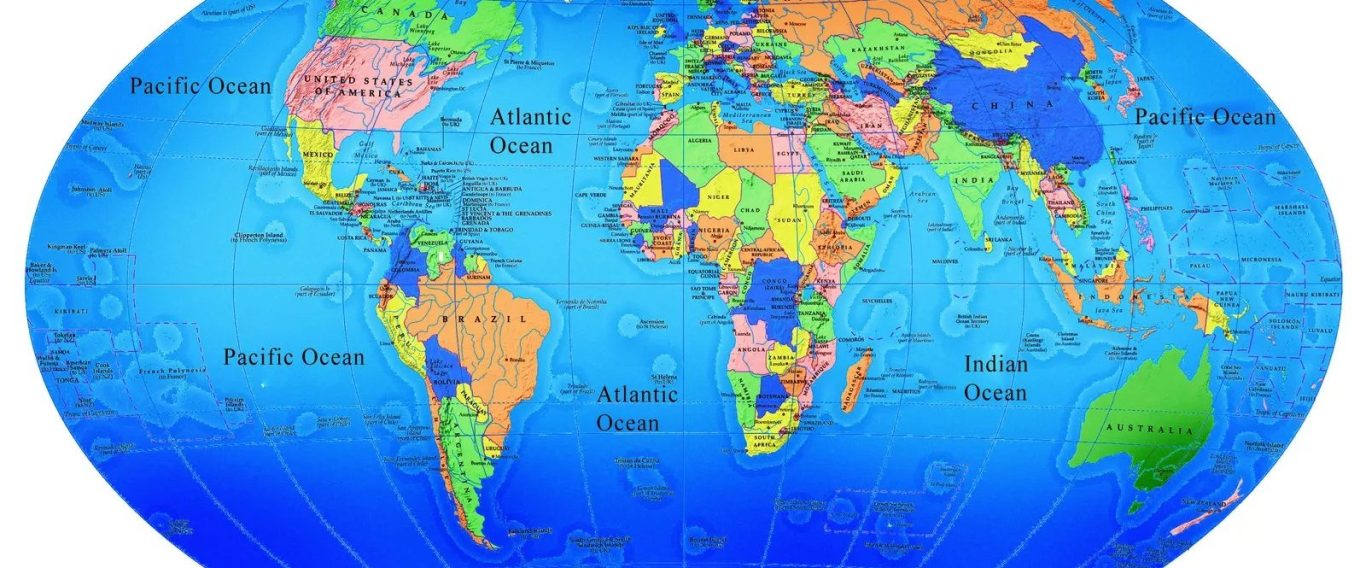
The association organises its project work through regional groups across multiple continents:
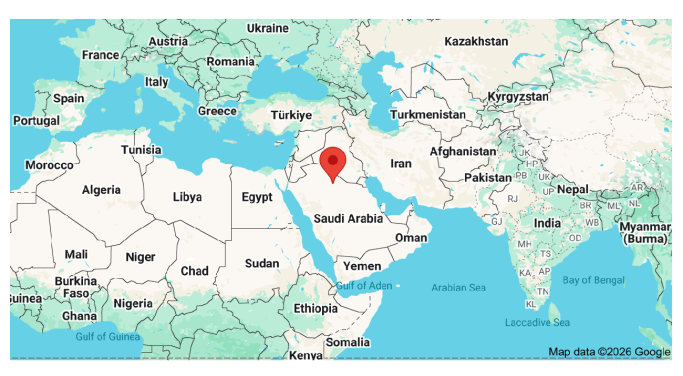
Africa & Middle East: Specialized projects tailored for Central, Southern, East, and West African regions.
Asia & Oceania: Initiatives focused on medical advancement and professional training in Australia, New Zealand, and Asian territories.
Europe & The Americas: Research and educational activities conducted across Europe, North America, Canada, and Central/South America.
AHCP African Projects
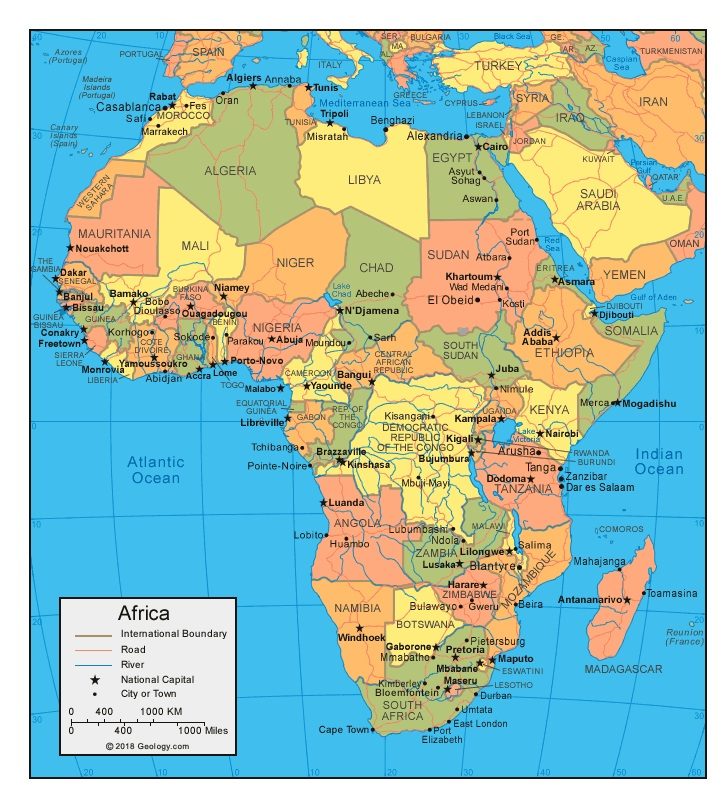
Promoting Excellence in Healthcare, Science, Technology, Innovation, Developement, Research and Education in the Continent of Africa.
Supporting Effective Medical Practice, Public Health, Research, Science, Technology, Innovation and Community Development in Africa.
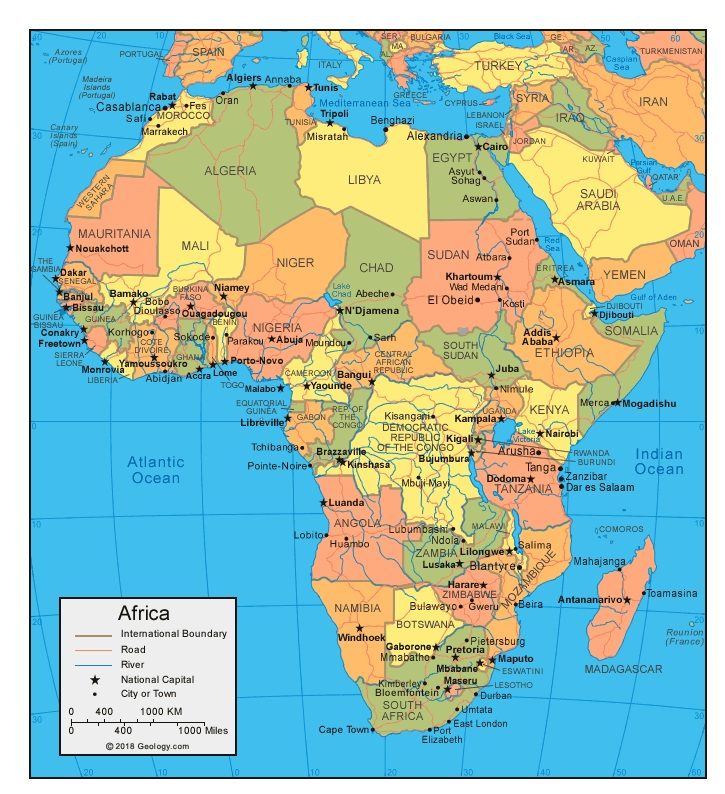
The African Projects (AP) is one of the Association of Health Care Professionals (AHCP) sponsored projects, with the main purpose of promoting excellence in healthcare and education in the continent of Africa as a whole.
The AP programme has an interesting history. It started from the recommendations of the sponsored PhD studies in Public Health Medicine in 1988 , as part of a research topic on “Medical Practice in Developing Countries”. As the scope of the project involved comparing medical practices in Namibia in Africa, Bangladesh in Asia and Tilbury, Essex, England in the United Kingdom, it provided the opportunities to evaluate, examine and explore in details the various issues affecting healthcare and healthcare workers in these countries, which also gave an overview of the trends in healthcare delivery in these continents.
One of the findings of the projects showed that the healthcare delivery in Namibia is not universal and underdeveloped and that life expectancy of the publications is very low, especially among women. Further meta-analysis and systematic reviews also showed that many countries in the African continent are in similar situation like Namibia in terms of poor and underdeveloped healthcare and education systems. Hence, it was recommended that the AHCP should sponsor the African Projects in order to meet these important needs in healthcare and education. As a result, the AHCP Council and General Committee approved in 1988 for the African Projects to be set up and for more resources and other facilities to be searched in order to maximum the befits to the African continent populations. For more information about the African Projects, please visit: www.iahcp.co.uk
AHCP Asian Project
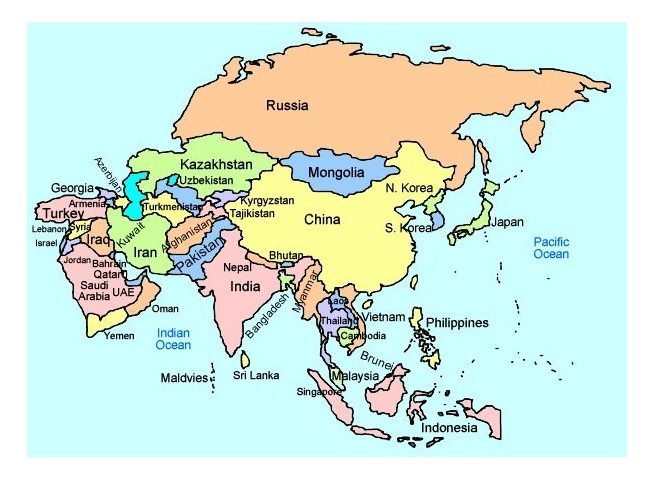
Promoting Excellence in Healthcare, Science, Technology, Innovation, Developemnt, Research and Education in the Combined Continent of Asia.
The AHCP Asian Project
The Asian Community Project, which was established in 1954 is dedicated to providing high-quality, education, holistic health and social care services, across the continent of Asia. The Project operates through a voluntary scheme and selfless service ethos to empower communities, promote health, and address inequalities and social care needs.
The Functions of the AHCP Asian Project
Key functions of The Asian Project include:
Direct Health & Social Care Services: Te Asian Project provides services to people with disabilities, those with substantial health needs, and their carers. This includes specialist care for dementia, learning disabilities, and autism.
Day Care and Social Support: Through the Creative Project Centre, they offer day care services for elderly and infirm individuals. This includes lunch services, social/cultural events, yoga, and meditation to reduce isolation and improve mental wellness.
Public Health Education and Promotion: The agency conducts awareness sessions on personal health conditions, healthy eating, and nutrition, including initiatives like the Community Food Scheme to combat food poverty.
Community Empowerment and Advocacy: TAHA works to bridge the gap between mainstream services and local community needs. They provide advocacy, advice, and information to support vulnerable, excluded, or elderly members of the community.
Training and Capacity Building: They provide training support to empower communities and the third sector to influence policy and service development.
Research and Reporting: The agency conducts research and publishes reports on community health, wellbeing, and social care innovations.
Core Functions & Services
The project operates across the continent of Asia, offering the following:
Direct Health and Social Care: The project provides tailored support for individuals with disabilities, mental health problems, and substantial health needs, including specialised care for dementia and learning disabilities.
Public Health Education: They run health promotion activities and awareness sessions focused on healthy lifestyles, nutrition, and disease prevention.
Community Empowerment: The agency offers training and capacity-building support to empower ethnic minority communities and third-sector organisations to influence mainstream policy and decision-making.
Elderly Support Services: Through centers like the Shanti Centre, TAHA provides:
Luncheon clubs and takeaway meal services (often featuring a 5-Star Food Hygiene Rating).
Social and cultural events to reduce isolation.
Physical wellness activities such as yoga and meditation.
Advocacy and Information: They provide dissemination of advice and information for patients and their carers, acting as an "umbrella" body for community health initiatives.
Support for Carers: The project leads various consortia to provide integrated support for those caring for elderly or infirm/disabled relatives.
Food Poverty Initiatives: They operate schemes like the preventing food insecurity to increase access to affordable, healthy food and fresh produce for older residents.
Research and Publishing: The agency undertakes research and publishes reports on community health, education, social care, innovation, and equality in all aspects of life.
Operational Hubs
The Creative Project : A primary hub for older people's activities in the Asian Region.
The Social Care Project: A Slough-based initiative providing support workers to help service users maintain independence.
Medical Practice in Developing Countries
Medical practice in developing countries is characterised by limited resources, high infectious disease burdens, and a reliance on both traditional medicine and under-resourced biomedical services. It often involves reliance on clinical diagnosis due to a lack of diagnostic equipment, a shortage of trained personnel, and high-volume, basic care approaches.The AHCP has been dealing withis issue since the 1930s to date

Exploring the AHCP Activities in Medical Practice in Developing Countries
Highly qualified and motivated professionalsPromoting Essential Healthcare, Education, Research and Innovation in Communities
Medical practice in developing countries is characterized by limited resources, high burdens of infectious diseases, and severe shortages of specialised staff, particularly in rural areas. Healthcare is often a hybrid of overburdened public systems and traditional medicine, focusing on primary care due to lack of diagnostic technology and infrastructure. The areas covered by the AHCP programmes include:
- African Community Health Projects
- Asian Community Health Projects
- South American Community Health Projects
- Central American Community Health Projects
- Indigenous People Community Health Projects
Features of Medical Practice in Developing Countries
Medical practice in developing countries is also characterised by medical pluralism, where modern Western medicine coexists with deeply rooted traditional practices. While urban centers often have access to specialized care, rural areas—where about two-thirds of populations typically live—rely heavily on informal providers and community-based health systems.
Core Approaches to Healthcare
Medical Pluralism: Patients frequently use both biomedicine and traditional systems like Ayurveda in
or Traditional Chinese Medicine (TCM). Traditional healers often serve as the "first port of call" due to cultural familiarity and proximity.
Primary Health Care (PHC): Many nations use PHC as a cost-effective blueprint to achieve universal health, focusing on essential services at the community level.
Integration Models:
Integrated Approach: Countries like China and Vietnam integrate traditional and modern medicine through unified medical education and practice.
Parallel Approach: Nations like India and South Korea
maintain separate regulatory and educational systems for traditional and modern medical practitioners.
Key Practitioners and Systems
Community Health Workers: Many systems rely on non-medically qualified staff, such as
China 's "barefoot doctors", who receive short-term formal training to provide basic care in rural districts.
Informal Providers (IPs): Unlicensed practitioners, including herbalists, traditional birth attendants, and village doctors, provide a significant portion of healthcare, particularly for the poor.
Public-Private Mix: Private practitioners provide a substantial amount of care alongside government services, often filling gaps in public infrastructure.
Critical Challenges
Geographic Inequity: Health resources are often concentrated in major cities. For example, in Tanzania, over 50% of doctors work in the Dar es Salaam region, leaving rural populations with minimal access to specialists.
Brain Drain: Developing countries frequently lose highly trained medical professionals to overseas practice or foreign NGOs. For instance, a significant majority of medical officers trained in Ghana between 1993 and 2002 now practice abroad.
Resource Scarcity: Many systems face severe shortages of medicines, medical devices, and clean water. Investment is often low, with some countries spending as little as $15 per capita on health compared to over $2,500 in rich nations.
Regulatory Gaps: Regulatory bodies are often less established, leading to inconsistent national guidelines or a lack of quality control for drugs and treatments.
The AHCP Initiatives
The AHCP has put in place mechanisms, which have been used in addressing the above matters/issues and challenges. These include:
- the establishment of the International Association of Health Care Professionals (IAHCP) Society Consortium in 1934
- the implementation of the AHCP cancer registries and Databases for promoting excellence in cancer research worldwide in 1938
- the setting up of the AHCP Sponsored medical centres in 1939 internationally for promoting excellence in patient care, research, education and innovations
- the setting up of the IAHCP Education Academy in 1947 in Europe and other international locations
- the formation of the AHCP Consortium in 1957
- the setting up of the African community health and education projects in 1949
- the launching of the Asian Projects in 1953
- And Many more projects and programmes
European Projects
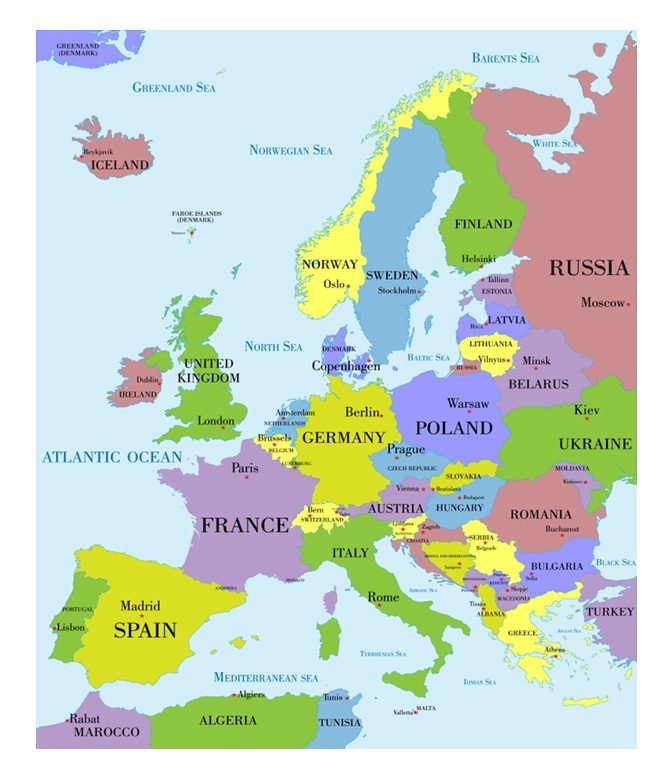
Medical Practice in Eastern European Countries
Healthcare and Education in Eastern Europe
Promoting excellence in Medical Practice, Research, Innovation and Education in Communities in Eastern Europe.
Medical practice in Eastern Europe is undergoing significant transformation, shifting from centrally planned systems towards Western standards of family medicine, digital health, and high-quality specialized care. Key trends include the growth of private, accredited clinics, medical tourism in countries like Poland and Hungary, and a "medical exodus" where professionals migrate westward.
Key Aspects of Medical Practice:
Primary Care Reform: Countries are strengthening Primary Health Care (PHC) by focusing on general practice and family medicine, though this varies from strong in central Europe to still-developing in other areas.
Digitalization and Access: Efforts are being made to establish a European Health Data Space, although access to new medicines remains lower in Eastern Europe compared to Western Europe.
Medical Education and Workforces: Eastern Europe is a popular destination for medical education (e.g., Romania, Bulgaria, Poland), often offering lower-cost English-language programs. However, many qualified professionals emigrate, leading to staffing challenges.
Standard of Care: Major cities often have state-of-the-art hospitals and clinics with international accreditation. However, some regions may still face challenges related to older infrastructure or slower adoption of comprehensive primary care models.
The AHCP and its Collaborators, JIARE focus on academic and community-oriented medical development, community-based research, and the management of chronic conditions in communities. Their work emphasises developing social medicine and providing community-oriented medical education within the context of Eastern European and other developing contexts.
Other AHCP Global Projects
The AHCP has other Projects and Programmes in other parts of the world like Oceania, North America, south America, Central America, Carribean etc.

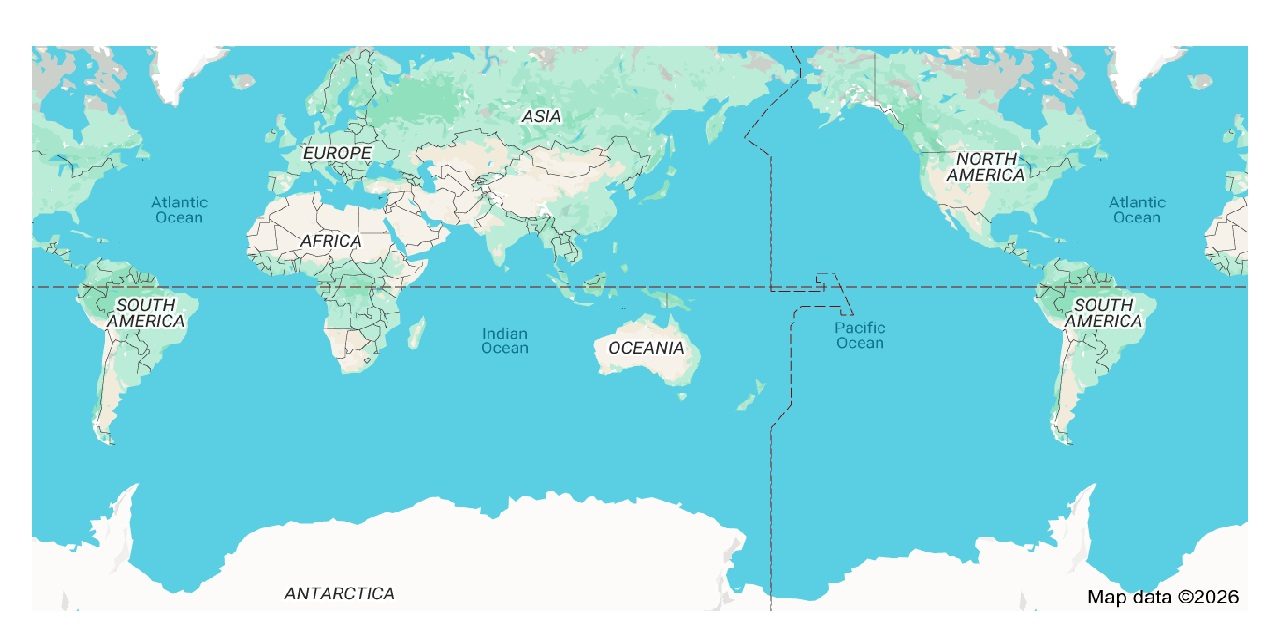
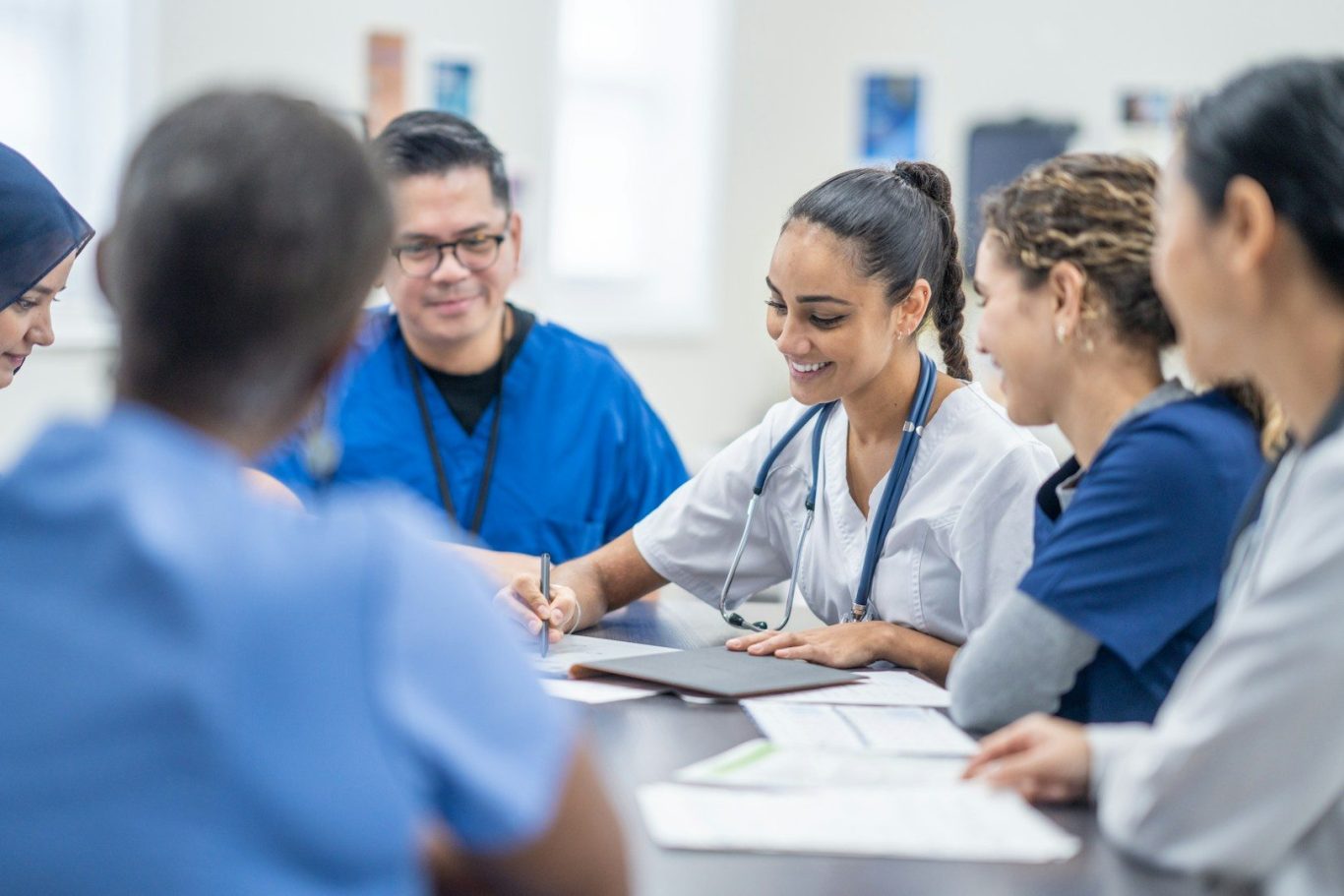
The AHCP Global Health and Education projects are fundamental to creating a more equitable, secure, and resilient world. These projects address challenges that transcend national borders—such as pandemics, climate change, and systemic poverty—by fostering international collaboration and local capacity building.
Providing health and education facilities to Aboriginal and Torres Strait Islander people delivers significant benefits by addressing social determinants of health, reducing chronic disease, and strengthening cultural identity. These interventions are crucial for fostering empowerment, self-determination, and improving life expectancy, particularly when services are culturally safe and community-controlled
Benefits of Providing Health and Education Services to the Aboriginal People
Providing health and education facilities to Aboriginal and Torres Strait Islander people delivers significant benefits by addressing social determinants of health, reducing chronic disease, and strengthening cultural identity. These interventions are crucial for fostering empowerment, self-determination, and improving life expectancy, particularly when services are culturally safe and community-controlled.
Key benefits of providing these services include:
Improved Health Outcomes and Reduced Disparities:
Higher Health Literacy: Education directly improves health literacy—the ability to understand and apply health information—which reduces the risk of chronic disease and enables better health management.
Reduced Preventable Deaths: Increased access to quality, culturally safe primary healthcare, especially through Aboriginal Community Controlled Health Services (ACCHS), reduces the high rates of preventable hospitalizations and deaths.
Maternal and Child Health: Focused services (e.g., ante-natal care, early child development programs) address high infant mortality and low birth weight rates, creating positive long-term effects on future adult well-being.
Social and Economic Empowerment:
Better Employment Prospects: Education increases employment opportunities and higher income, which are directly linked to better housing, nutrition, and access to healthcare.
Self-Determination and Leadership: Indigenous-led services empower communities to lead their own development, fostering resilience and strengthening self-governance.
Economic Impact: Investing in primary healthcare in remote regions can generate 3 to 10-fold savings in hospital costs.
Holistic and Cultural Benefits:
Cultural Safety and Identity: Culturally competent care and education that respects Indigenous knowledges enhance patient trust and engagement, leading to better utilization of services.
Connection to Country: Programs that incorporate land-based healing strengthen self-identity and mental health, countering the effects of intergenerational trauma.
Community Cohesion: Holistic services promote mental, emotional, and spiritual wellbeing alongside physical health, strengthening social and cultural connections.
Key Considerations for Success:
To maximize these benefits, services must be community-driven, culturally safe, and address the social determinants of health rather than just offering clinical care.
Improved Health Outcomes
Direct access to quality, culturally appropriate health facilities leads to:
Preventative Care: Early intervention through primary health services can reduce preventable hospitalisations by up to three times compared to mainstream services.
Specialised Disease Reduction: Targeted programs have contributed to an 18% decrease in cardiovascular disease deaths and a 36% decrease in kidney disease deaths over the last decade.
Reduced Infant Mortality: Improved maternal and child health facilities address high rates of low birth weight and infant mortality, which remain nearly double those of non-Indigenous infants.
Cultural Safety and Trust: Health services led by the community (such as Aboriginal Community-Controlled Health Services) are 23% more effective at attracting and retaining clients because they respect cultural values and address power imbalances.
Socio-Economic and Educational Benefits
Education facilities provide the "ladder" for improved life circumstances:
Higher Health Literacy: Education directly improves a person's ability to find and apply health information, leading to healthier lifestyle choices like reduced smoking and better nutrition.
Economic Independence: Completing Year 12 or tertiary education significantly increases employment prospects—61% of First Nations people with non-school qualifications are employed, compared to only 38% without.
Community Empowerment: Indigenous-led education preserves traditional knowledge, languages, and "connection to Country," which strengthens individual identity and mental resilience.
Intergenerational Gains: Children of educated parents often have better school attendance and health outcomes, creating a positive cycle for future generations.
Long-term Cost Savings
Investing in local facilities is also economically efficient:
Hospital Savings: Providing primary care in remote communities is estimated to save between 3 and 10 times the cost of expensive hospitalisations and emergency aeromedical retrievals.
Workforce Growth: Local training facilities increase the number of First Nations doctors and nurses, which further improves service quality and community trust.
Benefits of the AHCP Health and Education Projects.
The AHCP Global Health and Education Projects are vital for fostering international collaboration, reducing health inequities, and preparing professionals to tackle complex, interconnected challenges like pandemics and climate change. These initiatives improve health outcomes for vulnerable populations, enhance global workforce skills, and foster cross-cultural competence.
Importance of AHCP Global Projects
These projects are important for strengthening the global healthcare workforce, particularly through education, professional development, and community-based services across various continents.
The global projects of the Association of Health Care Professionals (AHCP) International Operations—often associated with the AHCP Society/Education Academy and the International Journal of Medicine (IJM)—are designed to improve medical practice, patient care, research, innovation, community development and education on a global scale.
Innovations for the Future and Beyond
The association also maintains a major Innovations for the Future and Beyond initiative, recently approved to run until 2050, which focuses on adapting medical practice and education to a changing world.
Recognition Across Continents
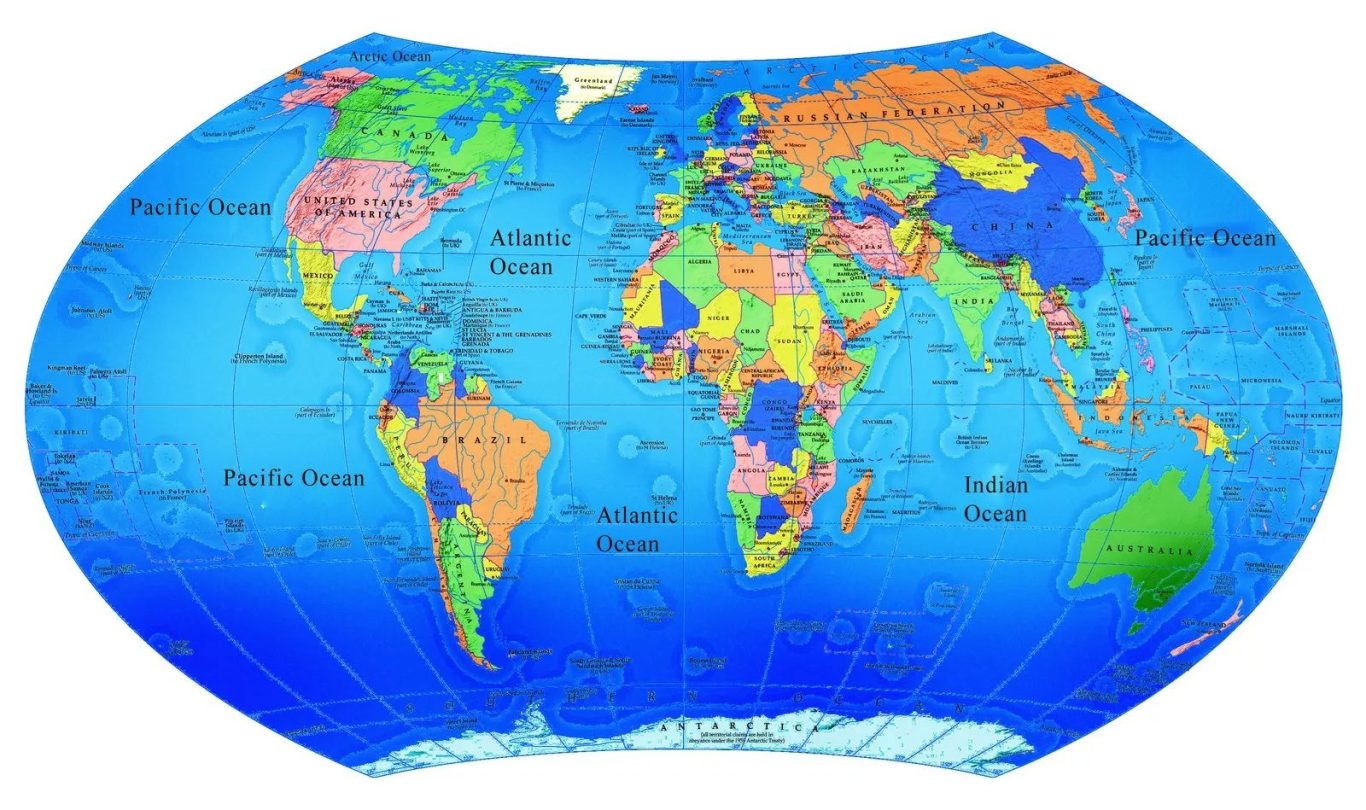
The IAHCP projects are organized across different continents, including African, Middle East, Asian, European, Oceania, and American projects.